Jelly Roll Rug Pattern PDF Free: An Overview
Jelly Roll Rugs are a captivating quilting project, utilizing pre-cut fabric strips—a “jelly roll”—to craft stunning, spiraled floor coverings.
Numerous free PDF patterns and tutorials are readily available online, offering diverse designs and skill levels for crafters to explore.
These patterns simplify the process, making it accessible for beginners while still providing creative avenues for experienced quilters.

What is a Jelly Roll Rug?
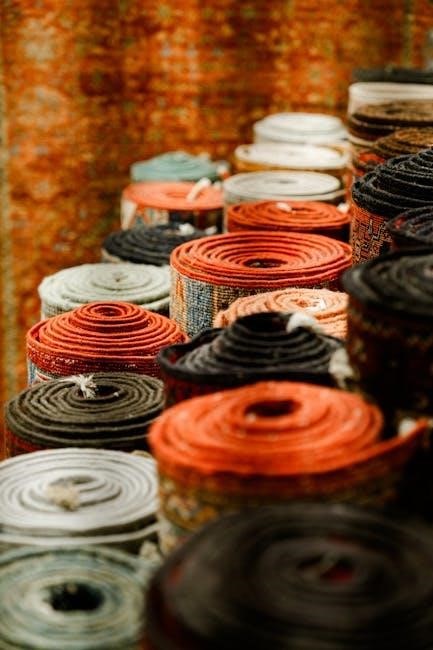
A Jelly Roll Rug is a unique and visually striking quilted rug created using a jelly roll – a collection of pre-cut, coordinating fabric strips, typically 2.5 inches wide. These strips are sewn together end-to-end to form one long continuous piece of fabric, which is then rolled or coiled into a spiral shape, resembling a nautilus shell or a blooming flower.
Unlike traditional rugs constructed with batting and backing separately, a jelly roll rug essentially is the batting, with the fabric strips themselves providing the bulk and structure. The rug is sewn as it’s formed, creating a dense, textured surface. The resulting rug is surprisingly soft underfoot and adds a cozy, handmade touch to any room.
The beauty of a jelly roll rug lies in its simplicity and the stunning visual effect achieved through the continuous flow of fabric colors and patterns. It’s a fantastic project for using up jelly rolls and a relatively quick way to create a beautiful, functional piece of home décor.
History and Popularity of Jelly Roll Rugs
The Jelly Roll Rug gained significant traction in the quilting world around 2006, largely thanks to Roma Lambson of R.J. Designs and her initial pattern release. Before this, similar rug-making techniques existed, but Lambson’s design specifically utilized the increasingly popular pre-cut jelly rolls, making the process more accessible.
The rug’s popularity exploded with the rise of online quilting communities and tutorials, notably through Confessions of a Homeschooler, which further simplified the process for a wider audience. The appeal stems from its relatively easy construction, requiring minimal cutting and offering a visually impressive result.
Today, jelly roll rugs remain a beloved project among quilters of all skill levels. The availability of numerous free PDF patterns and readily accessible materials continues to fuel their enduring popularity, making them a staple in modern quilting circles and a charming addition to homes worldwide.
Finding Free Jelly Roll Rug Patterns (PDF)
Numerous online resources offer free Jelly Roll Rug patterns in PDF format, including Quilt Addict’s Anonymous, Confessions of a Homeschooler, and R.J. Designs.
R.J. Designs Patterns – Availability and Cost
R.J. Designs, created by Roma Lambson, is a prominent source for Jelly Roll Rug patterns, offering several variations available through Quilt Addict’s Anonymous. The standard Jelly Roll Rug Pattern is priced at $9.99 as of today, February 3rd, 2026.
Additionally, they provide a Jelly Roll Rug Squared Pattern, also costing $9.99. For those seeking larger projects, the Colossal Round Rug pattern is available for pre-order. Beyond rugs, R.J. Designs also features patterns for Jelly Roll Rug Pillows & Placemats, priced at $9.99.
These patterns are readily accessible via the Quilt Addict’s Anonymous website, and often benefit from fast, free shipping with Amazon Prime. While other sellers may offer lower prices, they might not include the same shipping benefits. The patterns are reported to have received positive feedback, with over 600 purchases in the past month.
Exploring Confessions of a Homeschooler for Tutorials
Confessions of a Homeschooler, a blog by a homeschooling mother, offers a valuable tutorial for creating a Jelly Roll Rug. This resource stems from a partnership with Roma Quilts (R.J. Designs), providing a fun and easy-to-follow guide for crafters.
The tutorial, published in September 2006, includes helpful tips for sewing the rug, making it suitable for various skill levels. It’s a great option for those seeking a free resource alongside the paid patterns available elsewhere.
The blog itself is a comprehensive source for homeschooling materials, including printables and curriculum suggestions, but its Jelly Roll Rug tutorial specifically caters to quilting enthusiasts. It’s a well-regarded resource, offering a detailed walkthrough of the rug-making process, complementing the patterns from Quilt Addict’s Anonymous.
Quilt Addict’s Anonymous Resources
Quilt Addict’s Anonymous is a prominent online source for Jelly Roll Rug patterns, designed by R.J. Designs. They offer several options, including the original Jelly Roll Rug pattern, Jelly Roll Rug II (Squared), and the expansive Colossal Round Rug & Jelly Roll Rug π.
These patterns are available for purchase through their online shop, with prices around $9.99. They also provide links to tutorials and resources, including guidance on washing and maintaining your finished rug, and troubleshooting flatness issues.
Additionally, they offer patterns for related projects like Jelly Roll Rug Pillows & Placemats, expanding the creative possibilities beyond just floor coverings. The site is a comprehensive hub for all things Jelly Roll Rug, catering to both beginners and experienced quilters seeking quality patterns.
Materials Needed for a Jelly Roll Rug
Creating a Jelly Roll Rug requires a jelly roll, backing fabric, interfacing or batting, and basic sewing supplies for a successful project.
Jelly Roll Selection – Fabrics and Colors
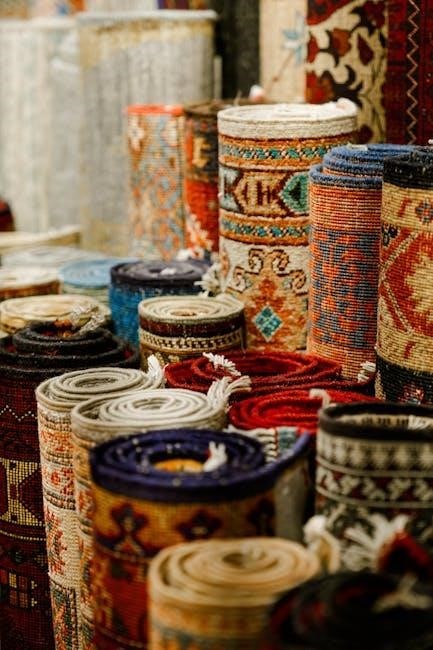
Choosing the right jelly roll is crucial for the aesthetic appeal of your rug. Jelly rolls typically contain forty 2.5-inch strips of coordinating fabrics, offering a pre-selected color palette. Consider the overall look you desire – a vibrant, eclectic rug benefits from diverse prints and colors, while a more subdued aesthetic calls for tonal variations within a limited color scheme.
Fabric type also matters; 100% cotton is recommended for its ease of sewing and durability. Pre-washed fabrics prevent shrinkage after the rug is completed. Don’t be afraid to mix and match different jelly rolls to create a truly unique design! The possibilities are endless, allowing for personalized expression through fabric selection. Explore options from Keepsake Quilting and other reputable brands for quality and variety.
Remember to visualize the final rug as you select your jelly roll, considering how the colors and patterns will interact when spiraled together.
Backing Fabric Requirements
Selecting appropriate backing fabric is essential for the structural integrity and longevity of your jelly roll rug. The backing provides stability and prevents the rug from distorting during use and washing. A woven cotton fabric is generally recommended, mirroring the material used in the jelly roll strips for consistent shrinkage.
The amount of backing fabric needed depends on the desired size of your rug. For a standard-sized rug created from a single jelly roll, approximately 2-3 yards of 44/45-inch wide fabric is typically sufficient. It’s always better to err on the side of caution and purchase slightly more to allow for trimming and squaring up the rug.
Consider a coordinating color or a complementary pattern to enhance the overall design. Ensure the backing fabric is securely attached to the rug during the rolling and shaping process.
Interfacing and Batting Considerations
Interfacing and batting play crucial roles in achieving the desired texture, weight, and shape retention of your jelly roll rug. While not always mandatory, incorporating these elements significantly enhances the rug’s quality and durability. Lightweight fusible interfacing, applied to the back of the jelly roll strips before sewing, provides added stability and prevents stretching.
Batting, typically a low-loft polyester or cotton blend, adds cushioning and warmth. The amount of batting needed mirrors the backing fabric requirements – around 2-3 yards for a standard rug. However, some patterns omit batting for a flatter, more pliable rug.
Carefully consider the weight and loft of the batting, as it impacts the rug’s overall feel and how easily it rolls and lays flat. Experimenting with different combinations can yield unique results.

Step-by-Step Guide to Making a Jelly Roll Rug
Begin by preparing your jelly roll strips, then meticulously sew them together end-to-end, forming one long continuous spiral.
Finally, carefully roll and shape the connected strip into a circular rug.
Preparing the Jelly Roll Strips
Before embarking on your Jelly Roll Rug journey, proper strip preparation is crucial for a seamless outcome. A jelly roll typically contains 40 pre-cut fabric strips, each measuring 2.5 inches wide by 45 inches long. However, inspect each strip for any manufacturing flaws or inconsistencies. Gently press each strip with an iron to remove any wrinkles, ensuring a flat and even surface for sewing.
While not always necessary, some quilters prefer to starch the strips lightly to add extra stiffness, aiding in the rolling and shaping process later on. This is particularly helpful if your jelly roll contains fabrics with a looser weave. Arrange the strips in the desired color sequence – consider a gradient, a random mix, or a specific pattern. Having a pre-planned arrangement will enhance the visual appeal of your finished rug. Remember to keep the strips neatly stacked and organized to prevent tangling during the sewing phase.
Sewing the Strips Together
The core of creating a Jelly Roll Rug lies in meticulously sewing the strips together end-to-end, forming one continuous length of fabric. Begin by taking two strips and aligning their short ends at a 90-degree angle. Using a standard sewing machine and a consistent ¼-inch seam allowance, stitch the strips together. Continue adding strips one by one, maintaining the 90-degree angle and consistent seam allowance.
Press the seams open as you go; this reduces bulk and ensures a flatter rug. As the length grows, carefully manage the fabric to prevent twisting or stretching. The resulting long spiral of fabric will gradually become the foundation of your rug. Patience is key during this stage, as accuracy in sewing and pressing directly impacts the final shape and appearance. A consistent seam allowance is paramount for a perfectly spiraled rug.
Rolling and Shaping the Rug
Once the long fabric spiral is sewn, the magic of the Jelly Roll Rug truly begins! Starting from one end of the spiral, begin rolling the fabric tightly, maintaining consistent tension. As you roll, the rug will naturally start to take shape. Continue rolling until you reach the center, creating a dense, circular form.
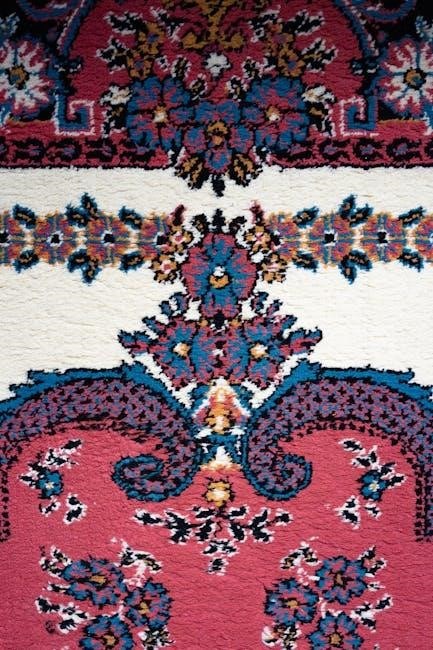
Secure the roll with pins or clips to hold its shape temporarily. Gently manipulate the rug, shaping it into a perfect circle or desired form. The rug may initially resist, but gentle encouragement and consistent rolling will yield the desired result. This stage requires patience and a bit of finesse to achieve a beautifully rounded rug. The tighter the roll, the more defined the spiral will be.
Care and Maintenance of Your Jelly Roll Rug
Maintaining your Jelly Roll Rug is straightforward; gentle washing is recommended, and flattening can be achieved by reshaping while damp.
Proper care ensures longevity!
Washing Instructions
Washing your newly created Jelly Roll Rug requires a delicate approach to preserve its shape and vibrant colors. It’s generally recommended to machine wash the rug on a gentle cycle using cold water. Employ a mild detergent, avoiding harsh chemicals or bleach, as these can damage the fabric and cause fading.
Before placing the rug in the washing machine, consider placing it inside a large mesh laundry bag to provide extra protection during the wash cycle. After washing, it’s best to avoid using a dryer, as the high heat can cause significant shrinkage and distortion. Instead, gently reshape the rug while it’s still damp and lay it flat to air dry.
Allowing the rug to fully air dry will help it retain its original form and prevent any unwanted warping. If you notice any areas that are particularly wrinkled or misshapen, you can gently press them with a cool iron, using a pressing cloth to protect the fabric. Following these washing instructions will ensure your Jelly Roll Rug remains beautiful and functional for years to come.
Fixing a Rug That Isn’t Flat
Occasionally, a Jelly Roll Rug may not lay perfectly flat after washing, often due to the shifting of the inner batting or interfacing during the wash cycle. Don’t worry, this is a common issue with a simple fix! Gently reshape the rug while it’s still damp, working from the center outwards. Use your hands to smooth out any wrinkles or uneven areas.
If reshaping doesn’t fully resolve the issue, consider lightly misting the rug with water and then gently pressing it with a cool iron, using a pressing cloth. The steam can help relax the fibers and encourage the rug to lay flat. For stubborn areas, you can try strategically placing heavy books or objects on the rug overnight to help flatten it.
Remember to check the rug periodically while it’s drying to ensure it’s maintaining its desired shape. With a little patience and these techniques, you can easily restore your Jelly Roll Rug to its original, beautiful form.
Variations and Advanced Techniques
Beyond the classic spiral, explore colossal round rug patterns, or create charming Jelly Roll Rug pillows and placemats for delightful home décor accents.
Colossal Round Rug Pattern
The Colossal Round Rug pattern, available from R.J. Designs via Quilt Addict’s Anonymous, represents a significant expansion of the traditional Jelly Roll Rug concept. This pattern isn’t just about scaling up the size; it introduces a unique design element – a π (Pi) shaped variation alongside the standard circular form.
Crafting a colossal rug requires a substantial commitment of both fabric and time, making it a rewarding project for dedicated quilters. The pattern typically utilizes multiple jelly rolls to achieve the desired diameter, resulting in a truly impressive statement piece for any room.
While the fundamental techniques of strip sewing and rolling remain consistent with smaller rugs, the sheer scale demands careful planning and precise execution. The pre-order availability suggests a high demand for this particular pattern, indicating its popularity among those seeking a challenging and visually striking quilting endeavor.
Jelly Roll Rug Pillows and Placemats
R.J. Designs extends the Jelly Roll Rug aesthetic beyond floor coverings with their pattern for pillows and placemats, available through Quilt Addict’s Anonymous. This pattern offers a delightful way to incorporate the signature spiral design into smaller, more versatile home décor items.
These projects are excellent for utilizing leftover jelly roll strips or for quilters seeking a quicker, less demanding alternative to a full-sized rug. The construction mirrors the rug technique – sewing strips together and then rolling them – but adapted for the dimensions of pillows and placemats.
Creating these accessories provides a cohesive look when paired with a Jelly Roll Rug, or they can stand alone as charming accents. The pattern provides a fantastic opportunity to experiment with different fabric combinations and color palettes, adding a personalized touch to your home.