Jelly Roll Rugs offer a fantastic, accessible entry point into rug-making, utilizing pre-cut fabric strips!
Confessions of a Homeschooler provides a tutorial, while Missouri Stars Quilt Community shares base instructions for a bowl technique pattern․
These projects are gaining popularity, with free patterns readily available as of today, April 28, 2026․
What is a Jelly Roll Rug?
Jelly Roll Rugs are crafted from pre-cut fabric strips – a “jelly roll” – typically 2․5 inches wide, creating a unique, coiled textile․
These rugs utilize techniques like the “bowl technique” described on Missouri Stars, involving continuous spiraling and securing the strips․
Confessions of a Homeschooler’s tutorial demonstrates how these strips transform into cozy, handmade rugs, often with free pattern availability in PDF format․
Why Choose a Jelly Roll Rug Project?
Jelly Roll Rugs are incredibly beginner-friendly, requiring minimal cutting thanks to pre-cut jelly roll fabrics!
Free patterns, like those found on Confessions of a Homeschooler and Missouri Stars, lower the initial investment․
The coiled construction is forgiving, and the result is a unique, textured rug – a satisfying and accessible crafting experience․
Materials Needed for a Jelly Roll Rug
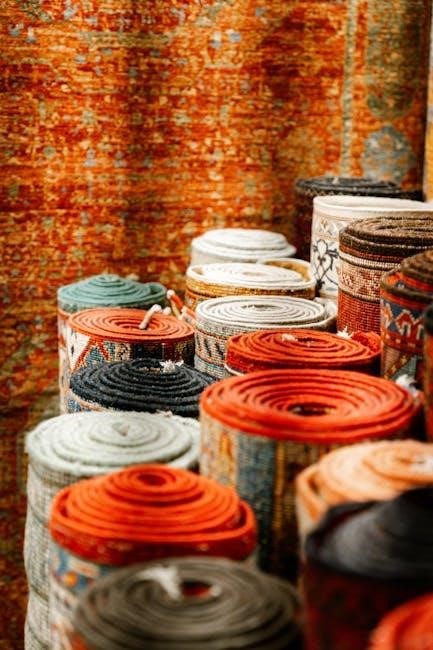
Essential supplies include a jelly roll, batting (or rope), rotary cutter, mat, and thread․
Roma Quilts partners with Confessions of a Homeschooler for tutorials, simplifying the process!
These are the basics for starting your rug project․
Jelly Roll Selection & Fabric Types
Choosing your jelly roll is key! Consider pre-cut strips for convenience, readily available in various colors and patterns․
Fabric type impacts the rug’s texture and durability; cotton is a popular choice for beginners․
Confessions of a Homeschooler’s tutorial doesn’t specify fabric, offering design flexibility․
Explore different prints and color schemes to match your décor, creating a unique and personalized rug!
Batting Options: Loft and Material
Batting provides essential structure and cushioning for your jelly roll rug․ Missouri Stars Quilt Community mentions batting or rope as options within the bowl technique․
Loft—the batting’s thickness—affects the rug’s softness and height; consider a low-loft batting for easier coiling․
Cotton, polyester, or blends are common materials, each offering different levels of warmth and durability․
Other Essential Supplies (Thread, Rotary Cutter, Mat)
Beyond fabric and batting, several tools are crucial for success․ A rotary cutter and cutting mat ensure precise fabric strip preparation, vital for a consistent coil․
Quality thread, matching or contrasting your jelly roll, securely joins the strips․
Confessions of a Homeschooler’s tutorial implies these basics are needed for a smooth sewing process․
Finding Free Jelly Roll Rug Patterns (PDF)
Numerous websites offer free Jelly Roll Rug patterns in PDF format! Confessions of a Homeschooler and Missouri Stars Quilt Community are excellent starting points․
Explore online for diverse designs․
Popular Websites Offering Free Patterns
Confessions of a Homeschooler stands out, providing a detailed tutorial alongside a free Jelly Roll Rug pattern, perfect for beginners seeking guidance․
Missouri Stars Quilt Community’s forum offers base instructions utilizing the bowl technique, a common method for rug construction․
Further searching online will reveal additional resources and pattern options․
Specific Pattern Names & Designers to Look For
While specific designer names aren’t prominently featured in initial searches, focusing on patterns utilizing the “bowl technique” is a good starting point․
Roma Quilts collaborated with Confessions of a Homeschooler on a tutorial, suggesting their patterns might be suitable․
Explore Missouri Stars Quilt Community for user-shared variations and adaptations of basic rug patterns․
Checking Pattern Reviews and Skill Level
Jelly Roll Rug patterns often lack extensive formal reviews; rely on comments within quilting forums like Missouri Stars Quilt Community for feedback․
Beginners should seek patterns explicitly labeled as “easy” or utilizing the basic bowl technique․
Assess if the PDF includes clear diagrams and step-by-step instructions before committing to the project․
The Bowl Technique: A Core Method
The Bowl Technique, highlighted by Missouri Stars Quilt Community, involves coiling strips around a central point, creating a rug’s shape․
It’s a foundational method for many Jelly Roll Rug patterns․
Understanding the Bowl-Shaped Construction
The bowl technique builds the rug from the center outwards, resembling shaping clay on a potter’s wheel․
Fabric strips are continuously coiled and secured with stitching, gradually expanding the rug’s diameter․
This method, as described by resources like Missouri Stars, creates a sturdy, dense rug without complex cutting or piecing․
Batting or rope is often used within the coil for added structure and fullness․
Step-by-Step Guide to the Bowl Technique
Begin at the center with a tightly coiled strip, securing it with stitches as you go․
Continuously add strips, wrapping them around the core and stitching them firmly in place․
Confessions of a Homeschooler’s tutorial details this process, emphasizing a consistent coil for a smooth finish․
Maintain even tension and gradually shape the rug, building outwards in a spiral fashion․
Sewing the Jelly Roll Rug: Detailed Instructions
Prepare strips by joining them in a continuous spiral, building the rug’s foundation․
Coil and secure each layer, maintaining consistent tension for a smooth, even result․
Missouri Stars offers base instructions for this technique․
Preparing the Jelly Roll Strips
Begin by carefully unrolling your jelly roll, inspecting each strip for any pre-existing flaws or inconsistencies․
These pre-cut strips are the foundation, so ensuring quality is key․
No pre-washing is typically needed, but consider ironing if wrinkles are present․
Confessions of a Homeschooler’s tutorial and Missouri Stars’ base instructions both start with utilizing these convenient, ready-to-use fabric pieces․
Joining the Strips: Continuous Spiral
The core technique involves sewing the jelly roll strips end-to-end, creating one long, continuous spiral․
Maintain a consistent ¼ inch seam allowance for a neat, even coil․
Avoid lifting the presser foot until the entire roll is joined, preserving the spiral’s flow․
Both Confessions of a Homeschooler and Missouri Stars emphasize this continuous method as fundamental to rug construction․
Coiling and Securing the Rug
Begin coiling the continuous strip into a tight spiral, resembling a bowl’s shape – a key element of the technique․
Secure each coil to the previous one using a sturdy stitch, typically straight or zigzag․
Consistent stitch placement is vital for rug durability and a professional finish․
Resources like Missouri Stars highlight this “bowl technique” as central to successful jelly roll rug creation․
Tips for a Successful Jelly Roll Rug
Maintain consistent coil size and choose the right stitch length for a smooth result․
Address bulk and curves carefully, ensuring a flat, even rug as you progress․
Maintaining Consistent Coil Size
Consistent coil size is crucial for a visually appealing and structurally sound Jelly Roll Rug․ Aim for uniform width throughout the entire coiling process․
Variations can lead to puckering or unevenness․ Careful attention to this detail, especially when starting, will significantly improve the final outcome and rug durability․
Practice makes perfect!
Choosing the Right Stitch Length
Selecting the appropriate stitch length is vital for securely joining the Jelly Roll strips while maintaining flexibility․ A slightly longer stitch – around 3․0 to 3․5 – generally works best․
This allows for some give in the coil without compromising seam strength․ Avoid very short stitches, as they can create bulk and make the rug stiff․
Dealing with Bulk and Curves
Managing bulk is crucial when coiling the Jelly Roll strips, especially around curves․ Gently easing the fabric and avoiding sharp turns prevents puckering․
Pressing the seams open as you go can also reduce thickness․ Consistent coil size, as suggested in various tutorials, minimizes unevenness and simplifies shaping the rug․
Variations and Design Ideas
Explore creativity! Vary color placement and strip order for unique looks․ Add embellishments like buttons or beads to personalize your Jelly Roll Rug project․
Experiment with round, oval, or square shapes․
Color Placement and Strip Order
Strategic fabric arrangement dramatically impacts the rug’s final aesthetic․ Consider a planned sequence – light to dark, or alternating hues – for visual interest․
Random placement offers a scrappy, eclectic vibe․
Utilize a Jelly Roll’s pre-coordinated colors, or intentionally disrupt the order for a custom design․ Experiment with gradients and patterns!
Adding Embellishments (Buttons, Beads)
Personalize your Jelly Roll Rug with creative embellishments! Buttons, beads, or even fabric scraps can add texture and unique character․
Securely attach items during the coiling process, integrating them into the seams․
Consider a focal point or scattered accents․ Ensure embellishments are durable and won’t pose a tripping hazard – safety first!
Creating Different Rug Shapes (Round, Oval, Square)
Beyond the typical spiral, Jelly Roll Rugs can take on diverse forms! Achieving round or oval shapes requires gentle directional changes while coiling․
Square rugs involve more deliberate angled seams and potentially pausing to adjust the spiral’s path․
Experimentation is key; sketch your desired shape beforehand for guidance!
Troubleshooting Common Issues
Common challenges include puckering, seam slippage, and uneven thickness․ Consistent coil size and stitch length are crucial for avoiding these problems!
Adjust tension and consider batting loft for optimal results․
Rug Puckering or Waving
Puckering or waving often stems from inconsistent tension while coiling and sewing the jelly roll strips․ Ensure even pressure and avoid pulling the fabric excessively․
Adjusting your stitch length can also help; shorter stitches provide more security, while longer ones offer flexibility․ Experiment with batting loft, as thicker batting can minimize waves․
Consistent coil size is paramount to a flat rug!
Seam Slippage and Durability
Seam slippage is a concern, especially with frequent use; reinforce seams with a slightly wider stitch or a second row of stitching․
Choosing a durable thread is crucial, and consider a heavier weight thread for increased longevity․
Properly securing the end of the spiral is vital for preventing unraveling and maintaining rug integrity over time․
Uneven Rug Thickness
Uneven thickness can occur if coils aren’t consistently sized or if batting isn’t evenly distributed throughout the rug’s construction․
Maintaining consistent coil size during the sewing process is key to a uniform final product․
Pressing the rug periodically can help to even out any inconsistencies and create a flatter, more polished look․
Finishing Your Jelly Roll Rug
Securing the spiral’s end and choosing a binding – fabric or bias tape – are crucial final steps․
Adding rug backing provides extra stability and durability for long-lasting enjoyment!
Securing the End of the Spiral
Carefully tucking the final fabric strip end under the existing coil is paramount for a neat finish․
Secure it firmly with consistent, closely spaced stitches, mirroring the technique used throughout the rug’s construction․
Reinforce this area, as it experiences the most stress, ensuring the spiral remains tightly wound and prevents unraveling over time, guaranteeing longevity․
Binding Options (Fabric, Bias Tape)
Fabric binding offers a custom look, seamlessly blending with the rug’s colors, while bias tape provides a quicker, simpler edge finish․
Both methods encase the raw spiral edge, enhancing durability and preventing fraying․
Choose a coordinating or contrasting binding to accentuate your rug’s design, completing the project with a polished, professional appearance․
Rug Backing for Added Stability
Applying rug backing significantly enhances durability and prevents shifting, especially on smooth floors․
Non-slip options are readily available, providing safety and preventing unwanted movement of your beautiful, newly created jelly roll rug․
Consider felt or canvas for a more substantial backing, increasing the rug’s lifespan and overall structural integrity․
Caring for Your Jelly Roll Rug
Regular vacuuming and spot cleaning will maintain your rug’s vibrancy․
Avoid harsh chemicals and direct sunlight to prevent fading and wear, preserving its beauty for years to come․
Gentle washing is possible!
Washing Instructions
Washing a Jelly Roll Rug requires a gentle approach to maintain its shape and integrity․ Use a mild detergent and a cool, delicate cycle on your washing machine․
Consider placing the rug inside a large mesh laundry bag for added protection during the wash cycle․ Avoid using bleach or fabric softeners, as these can damage the fibers․
Tumble dry on low heat or, ideally, lay flat to air dry to prevent shrinking or distortion․
Vacuuming and Spot Cleaning
Regular vacuuming is key to keeping your Jelly Roll Rug clean; use a low-suction setting to avoid damaging the coils․ For spot cleaning, gently blot spills with a damp cloth and mild detergent․
Avoid harsh chemicals or abrasive cleaners that could discolor the fabric․ Test any cleaning solution in an inconspicuous area first․
Promptly addressing spills will prevent staining and maintain the rug’s vibrant appearance․
Preventing Fading and Wear
Minimize direct sunlight exposure to prevent colors from fading over time; rotate the rug periodically for even wear․ Consider using a rug pad underneath to provide cushioning and reduce friction against the floor․
Avoid placing the rug in high-traffic areas if possible, or use a runner rug over it for added protection․
Gentle care extends the rug’s lifespan!
Resources and Further Learning
Online tutorials and videos demonstrate techniques, while quilting forums like Missouri Stars offer community support and pattern discussions․
Confessions of a Homeschooler provides a helpful tutorial to begin your journey!
Online Tutorials and Video Demonstrations
Numerous online resources visually guide you through the jelly roll rug process, supplementing PDF patterns․ Confessions of a Homeschooler offers a detailed tutorial, perfect for beginners seeking step-by-step instructions․
Search platforms like YouTube for “jelly roll rug tutorial” to discover diverse techniques and approaches, enhancing your understanding of the bowl method and coiling process․
These demonstrations clarify complex steps, ensuring a smoother crafting experience․
Jelly Roll Rug Communities and Forums
Engage with fellow crafters in online communities like the Missouri Stars Quilt Community forum to share experiences and find support․
These platforms are invaluable for troubleshooting, discovering new patterns, and gaining inspiration from others’ projects․
Discuss techniques, ask questions, and receive feedback on your jelly roll rug creations – fostering a collaborative learning environment!
Inspiration Gallery: Jelly Roll Rug Examples
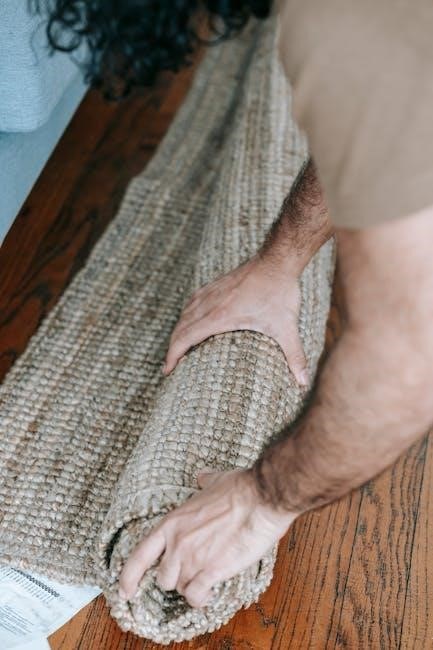
Explore diverse styles! See rugs showcasing varied colors and unique design elements created using simple patterns․
Discover how different strip orders and embellishments transform basic techniques into stunning, personalized floor coverings․
Showcasing Different Styles and Colors
Observe the versatility! From vibrant, modern palettes to charming, vintage-inspired hues, Jelly Roll Rugs adapt beautifully․
Explore examples utilizing bold contrasts and subtle gradients, all achievable with a simple pattern․
See how color placement dramatically alters the final aesthetic, creating unique focal points within your home décor․ Inspiration abounds!
Highlighting Unique Design Elements
Beyond basic spirals, discover how creative flourishes elevate Jelly Roll Rugs!
Consider incorporating varied strip widths for texture or experimenting with directional fabric prints․
Though starting with a simple PDF pattern, embellishments like buttons or beads add personality․ The bowl technique allows for surprisingly intricate designs, showcasing individual style․
Where to Buy Jelly Rolls and Supplies
Jelly Rolls are widely available at both online and local fabric stores․
Roma Quilts is mentioned as a resource, alongside general fabric retailers offering batting and essential rug-making materials․
Recommended Fabric Stores (Online & Local)
For online convenience, explore Missouri Star Quilt Company, a prominent source for quilting fabrics and jelly rolls․ Local quilt shops often carry a diverse selection and provide personalized assistance․
Consider Roma Quilts, referenced in tutorials, for potential jelly roll purchases․ Checking for sales and discounts at both online and brick-and-mortar stores is always recommended to maximize your budget!
Finding Batting and Other Materials
Batting is crucial for the rug’s structure; options range in loft and material․ Rotary cutters and mats are essential for precise fabric strip preparation, streamlining the coiling process․
Standard thread will suffice for sewing the spiral․ Missouri Star and local quilt stores are excellent sources for batting, cutters, and mats․ Prioritize quality for durability!