

Cessna 182P Parts Manual: A Comprehensive Guide
This manual details replacement parts for Cessna 182P aircraft (1974-1975), offering crucial information for maintenance, inspections, and upgrades, ensuring continued airworthiness․
Cessna’s legacy of reliable aircraft demands precise parts identification, and this guide serves as an essential resource for pilots, mechanics, and aviation enthusiasts alike․
The Cessna 182P, manufactured from 1974 to 1975, represents a pivotal iteration within the renowned Cessna 182 series, a cornerstone of general aviation for decades․ Known for its robust construction, dependable performance, and versatility, the 182P has served countless roles, from personal transportation and flight training to aerial surveying and agricultural applications․
This aircraft’s enduring popularity necessitates a thorough understanding of its components and the availability of reliable replacement parts․ A well-maintained Cessna 182P requires diligent attention to detail, and access to a comprehensive parts manual is paramount for ensuring continued airworthiness and operational safety․ The 182P’s legacy is built on consistent performance, and maintaining that standard relies heavily on accurate parts identification and sourcing․
This guide will serve as an invaluable resource, providing detailed information on locating, interpreting, and utilizing the official Cessna 182P Illustrated Parts Catalog (IPC), enabling owners and mechanics to confidently manage maintenance and repairs․
Historical Context of the Cessna 182 Series
The Cessna 182 series originated in 1956 as a refined version of the Cessna 180, offering increased power and a more streamlined design․ Throughout its production run, the 182 evolved through numerous iterations – the P model being a significant one – adapting to advancements in aviation technology and responding to market demands․ Cessna, founded in 1927, quickly became a dominant force in general aviation, known for its accessible and reliable aircraft․
By the mid-to-late 20th century, Cessna was a leading producer, and the 182 consistently ranked among its most popular models․ Ownership transitioned from Clyde Cessna and Victor Roos to General Dynamics in 1985, and subsequently to Textron in 1992, yet the 182’s core design principles remained largely unchanged․
Understanding this historical trajectory is crucial when sourcing parts, as variations exist between different model years․ The 182P’s specific components require referencing the correct parts catalog to ensure compatibility and maintain the aircraft’s structural integrity․
Understanding the Importance of a Parts Manual
A comprehensive parts manual, like the Cessna 182P Illustrated Parts Catalog (IPC), is paramount for safe and efficient aircraft maintenance․ It provides detailed illustrations and precise part numbers, eliminating guesswork and minimizing the risk of installing incorrect components․ Utilizing the correct parts is not merely a matter of convenience; it directly impacts flight safety and airworthiness․
The IPC facilitates accurate ordering, ensuring mechanics receive the exact replacements needed for repairs and scheduled inspections․ It distinguishes between standard and non-interchangeable parts, preventing potentially catastrophic errors․
Furthermore, a parts manual serves as a historical record, documenting original equipment specifications and modifications․ This is invaluable for maintaining the aircraft’s value and ensuring compliance with regulatory requirements․ Proper parts management, guided by a detailed manual, is fundamental to responsible aircraft ownership and operation․
Locating and Utilizing the Cessna 182P Illustrated Parts Catalog (IPC)
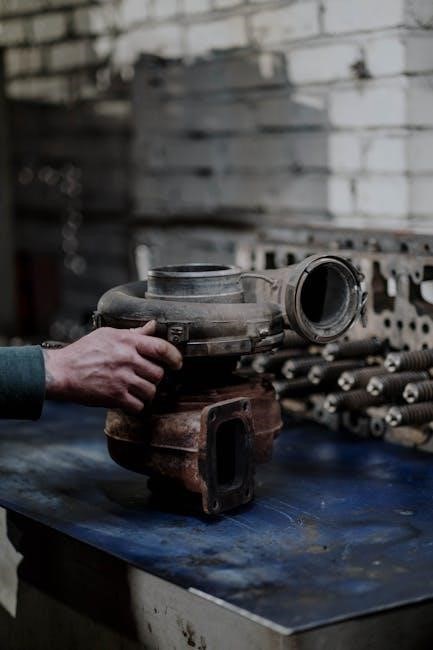
Accessing the official Cessna 182P IPC is vital; it’s available through Cessna directly or authorized suppliers, providing detailed diagrams and part identification․
Where to Find Official Cessna 182P IPCs
Locating authentic Cessna 182P Illustrated Parts Catalogs (IPCs) requires careful sourcing․ The primary source is directly through Textron Aviation, Cessna’s parent company, offering both digital and physical copies․ However, these can be costly and may require a lead time for delivery․
Alternatively, several reputable aviation parts distributors specialize in Cessna documentation․ Companies like Essco Aircraft are known to carry original and reproduction IPCs․ Online aviation marketplaces, such as those specializing in aircraft manuals, also frequently list Cessna 182P IPCs for sale;

When purchasing, verify the catalog’s revision date․ The August 5, 1983, catalog, with the March 15, 1985, revision, is a key reference point, superseding earlier versions․ Ensure the IPC covers the specific model year of your Cessna 182P to guarantee accuracy․ Beware of unofficial or incomplete copies, as they can lead to incorrect parts ordering and potential safety issues․
Navigating the IPC Structure
The Cessna 182P IPC is meticulously organized for efficient parts identification․ It’s structured by system – airframe, engine, landing gear, avionics, and so on – with each system broken down into detailed subsections․ Within each subsection, exploded diagrams illustrate component assemblies, and individual parts are numbered and labeled․
Understanding the numbering system is crucial․ Parts are typically listed numerically, often with prefixes indicating the assembly they belong to․ Cross-referencing these numbers with the parts list provides the official Cessna part number and description․
The IPC also includes notes regarding applicability․ These notes specify which aircraft configurations a particular part is suitable for, accounting for variations within the 182P series․ Familiarizing yourself with these notes prevents ordering incorrect or incompatible components․ Careful study of the introduction section is vital for understanding the catalog’s conventions․
Understanding Part Numbers and Nomenclature
Cessna part numbers are unique identifiers crucial for accurate ordering․ They typically consist of a series of digits and sometimes letters, representing the specific part and its revision level․ Understanding this nomenclature is vital to avoid ordering incorrect components․
The IPC defines the meaning behind each digit․ Often, the initial digits indicate the system the part belongs to, while subsequent numbers specify the individual component․ Dash numbers (-1, -2, etc․) denote variations or revisions of the original part․
Part descriptions in the IPC are standardized․ They provide a concise yet informative overview of the part’s function and material․ Pay close attention to these descriptions, as subtle differences can impact compatibility․ Always verify the part number and description before placing an order, ensuring a precise match for your Cessna 182P․
Key Components and Their Parts
The Cessna 182P’s engine, airframe, and landing gear require specific parts for optimal performance․ This section details these components, aiding in maintenance and repair efforts․
Engine Parts (Lycoming O-360)
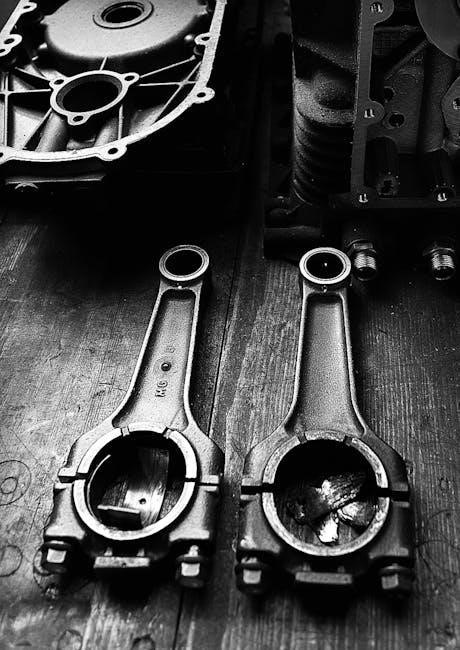
The Lycoming O-360 engine, powering the Cessna 182P, necessitates a detailed understanding of its component parts for effective maintenance and overhaul․ This includes cylinder heads, pistons, connecting rods, crankshafts, camshafts, and valve train components – all critical for reliable operation․
Essential parts include spark plugs, magnetos, carburetors (or fuel injection systems), oil pumps, and filters․ Regular inspection and replacement of these items are paramount․ The Illustrated Parts Catalog (IPC) provides exploded views and precise part numbers for each component, ensuring correct identification and ordering․
Furthermore, gaskets, seals, and O-rings are vital for preventing leaks and maintaining compression․ Accessing the correct IPC is crucial for sourcing these often-overlooked, yet essential, engine parts, guaranteeing continued airworthiness and performance of the Lycoming O-360․
Airframe Structure Parts
The Cessna 182P’s airframe relies on a complex network of structural components, demanding precise parts identification for safe and effective repairs․ Key areas include the fuselage, wings, empennage (tail section), and control surfaces – ailerons, elevators, and rudder․
Essential parts encompass longerons, bulkheads, spars, ribs, and skin panels, all contributing to the aircraft’s structural integrity․ Fasteners like rivets, bolts, and screws are also critical, requiring adherence to specific material and torque specifications․ The IPC details these components with detailed diagrams and part numbers․
Regular inspection for corrosion, cracks, and fatigue is vital, necessitating access to replacement parts․ Utilizing the correct IPC ensures accurate ordering of these structural elements, maintaining the Cessna 182P’s airworthiness and safeguarding against potential failures․
Landing Gear Parts
The Cessna 182P’s landing gear system is crucial for safe ground operations, requiring meticulous maintenance and accurate parts replacement․ This system comprises main landing gear assemblies, a nose gear assembly, wheels, tires, brakes, and associated hardware․
Key components detailed in the IPC include landing gear struts, axles, brake discs, brake calipers, master cylinders, and control cables․ Proper functioning of the brakes is paramount, demanding regular inspection of brake lines, pads, and fluid levels․ Wheel bearings and tires also require periodic attention․
The Illustrated Parts Catalog provides exploded views and precise part numbers for each component, ensuring correct ordering and installation․ Maintaining the landing gear to factory specifications is vital for safe landings and taxiing, directly impacting pilot and passenger safety․

Essential Systems and Replacement Parts
Maintaining Cessna 182P systems—avionics, fuel, and electrical—requires specific parts, detailed in the IPC for optimal performance and continued safe flight operations․
Avionics Parts and Upgrades
The Cessna 182P’s avionics suite, while capable in its era, often benefits from modern upgrades․ Replacement parts for original equipment, such as radios, navigation systems, and transponders, are detailed within the Illustrated Parts Catalog (IPC)․ However, many owners opt for contemporary avionics, necessitating careful consideration of compatibility and installation․
Upgrading to glass cockpits or modern GPS systems requires specific adapters, wiring harnesses, and mounting hardware․ The IPC may not directly list these upgrade components, demanding research from specialized avionics suppliers․ Ensure all upgrades comply with FAA regulations and are performed by certified technicians․
Commonly replaced avionics parts include antennas, headsets, and instrument lighting․ The IPC provides part numbers for these items, facilitating accurate ordering and ensuring proper fit․ Always verify the part number against the aircraft’s specific configuration before purchase․
Fuel System Parts
Maintaining the Cessna 182P’s fuel system is paramount for safe operation․ The Illustrated Parts Catalog (IPC) meticulously details components like fuel tanks, fuel lines, fuel pumps, carburetors, and fuel gauges․ Regular inspection and replacement of these parts are crucial to prevent leaks, vapor lock, and engine malfunctions․
Commonly replaced fuel system parts include fuel filters, fuel caps, and fuel selector valves․ The IPC provides detailed diagrams and part numbers for accurate identification and ordering․ Pay close attention to material compatibility, especially when replacing fuel lines, ensuring they are approved for aviation fuel․
Overhauling the carburetor requires a complete gasket and seal kit, readily available through parts suppliers and listed within the IPC․ Always adhere to Lycoming’s recommended maintenance schedules for fuel system components․
Electrical System Parts
The Cessna 182P’s electrical system relies on a network of components, all meticulously documented in the Illustrated Parts Catalog (IPC)․ This includes the alternator, voltage regulator, battery, wiring harnesses, circuit breakers, switches, and various electrical connectors․ Maintaining this system is vital for avionics, lighting, and engine operation․
Frequently replaced electrical parts encompass batteries, circuit breakers, and light bulbs․ The IPC provides precise part numbers and diagrams for correct identification․ When replacing wiring, ensure it meets aviation standards for insulation and amperage capacity․
Troubleshooting electrical issues often requires a multimeter and a thorough understanding of the wiring diagrams found within the IPC․ Upgrading to solid-state avionics may necessitate new wiring harnesses and connectors, all detailed in the catalog․
Standard vs․ Non-Interchangeable Parts
Identifying standard parts simplifies maintenance, while non-interchangeable components demand strict adherence to the IPC to ensure compatibility and continued airworthiness of the Cessna 182P․
Identifying Standard Parts
Standard parts, frequently utilized across multiple Cessna 182 series aircraft and even potentially other models, are characterized by their widespread applicability and consistent specifications․ The Illustrated Parts Catalog (IPC) clearly denotes these components, often with notations indicating their broad usage․
These parts benefit maintenance by simplifying inventory management and reducing logistical complexities․ Mechanics can often substitute a standard part from another airframe, streamlining repairs and minimizing downtime․ However, always verify the part number and applicability within the specific IPC for the Cessna 182P to confirm compatibility․
The IPC’s structure facilitates easy identification; standard parts are often listed with cross-references to other models where they are also employed․ Recognizing these components is crucial for cost-effective maintenance and efficient parts procurement, ultimately contributing to the safe and reliable operation of the aircraft․
Understanding Non-Interchangeable Parts and Their Implications

Non-interchangeable parts within the Cessna 182P, and across different Cessna models, demand meticulous attention during maintenance and repair․ These components are specifically designed for the 182P and cannot be substituted with parts from other aircraft without risking airworthiness․ The IPC clearly identifies these unique parts, often lacking cross-references to other models․
Using incorrect parts can lead to structural failures, system malfunctions, and potentially catastrophic consequences․ Strict adherence to the IPC is paramount when ordering replacements․ Modifications or upgrades may introduce new non-interchangeable parts, requiring updated catalog references․
Proper identification prevents costly errors and ensures the continued safe operation of the aircraft․ Mechanics must verify part numbers and applicability before installation, safeguarding against compatibility issues and maintaining the integrity of the Cessna 182P’s design․
Using the Parts Catalog for Ordering
The Cessna 182P Illustrated Parts Catalog (IPC) is the primary tool for accurate parts ordering․ Utilize the catalog’s part numbers and nomenclature when requesting components from suppliers․ Cessna previously provided a Parts and Accessories Order Form, streamlining the process for complete information submission․
Ensure all details – part number, quantity, and aircraft serial number – are clearly communicated to avoid errors․ Cross-reference the catalog’s illustrations with the physical part to confirm correct identification․ Suppliers rely on precise information for efficient fulfillment․
Maintaining a current IPC is crucial, as revisions incorporate updates and supersede older information․ Always verify the catalog’s revision date to ensure you’re using the most accurate data for ordering Cessna 182P replacement parts․
Maintenance and Inspection Parts
Regular inspections necessitate frequent replacement of key components, including filters, spark plugs, and wear items, ensuring continued safe operation of the Cessna 182P․
Commonly Replaced Parts During Inspections
During routine Cessna 182P inspections, several parts exhibit predictable wear and require scheduled replacement to maintain airworthiness․ These commonly include oil filters, crucial for engine lubrication, and air filters, ensuring clean combustion․ Spark plugs, vital for ignition, are routinely checked and replaced based on flight hours․
Additionally, brake pads and rotors undergo inspection for wear, with replacements performed as needed to guarantee effective stopping power․ Tires are assessed for tread depth and sidewall integrity, and replaced to prevent potential failures․ Control cables are meticulously examined for fraying or damage, and replaced to ensure precise flight control․
Furthermore, hoses – fuel, oil, and hydraulic – are inspected for cracks or leaks, with replacements made proactively․ Battery terminals are cleaned and inspected for corrosion, and the battery itself is load-tested․ These preventative measures, guided by the parts manual, contribute significantly to the aircraft’s reliability and safety․
Parts for Scheduled Maintenance
Cessna 182P scheduled maintenance necessitates replacement of parts at specific intervals, dictated by flight hours or calendar time, ensuring continued safe operation․ Key components include engine oil, requiring regular changes as per Lycoming O-360 recommendations, and oil filters, replaced concurrently․
Furthermore, the air filter undergoes periodic replacement, maintaining optimal engine performance․ Spark plugs are replaced at designated intervals to ensure efficient combustion․ Fuel filters are crucial, preventing contaminants from reaching the engine, and are replaced routinely․
Additionally, the alternator belt requires inspection and eventual replacement, guaranteeing consistent electrical power․ Landing gear tires are subject to wear and tear, necessitating scheduled replacements․ These maintenance tasks, guided by the illustrated parts catalog, are vital for preserving the aircraft’s value and reliability, adhering to Cessna’s stringent standards․
Sourcing Reliable Parts Suppliers
Obtaining Cessna 182P parts demands careful supplier selection, prioritizing quality and traceability․ Authorized Cessna service centers offer genuine parts, ensuring compliance with manufacturer specifications, but often at a premium cost․ Reputable aviation parts distributors provide alternatives, frequently offering competitive pricing and extensive inventories․
However, verifying the supplier’s credentials and part traceability is paramount․ Look for suppliers with FAA certifications and robust quality control systems․ Online marketplaces can offer convenience, but require diligent vetting of sellers to avoid counterfeit or unapproved parts․
Consider suppliers specializing in Lycoming O-360 engine components, given its prevalence in the 182P․ Prioritize suppliers offering detailed parts documentation and warranties, safeguarding against defects and ensuring long-term reliability․ A well-chosen supplier is integral to safe and cost-effective aircraft maintenance․

Recent Developments in Cessna Aircraft Parts (2025-2026)
The Citation Gen2 & Gen3 updates influence Cessna’s broader parts network, potentially impacting 182P availability due to shared manufacturing or supply chain resources․
New Cessna models may create demand shifts, affecting lead times and pricing for established aircraft like the 182P, requiring proactive parts planning․
Cessna Citation Gen2 & Gen3 Updates and Part Implications
The introduction of the Cessna Citation Gen2 and Gen3 series, including models like the CJ3 Gen2 and M2 Gen3, represents a significant advancement in light jet technology․ These newer aircraft utilize cutting-edge avionics, engine components, and airframe materials․ While seemingly distinct from the Cessna 182P, these developments have ripple effects throughout Textron Aviation’s parts ecosystem․
Specifically, shared suppliers and manufacturing processes can create competition for resources․ Increased demand for parts used in the Gen2/Gen3 jets might lead to longer lead times or price increases for components also utilized in older models like the 182P․ This is particularly true for common items such as sensors, actuators, and certain hardware․ Furthermore, Textron’s focus on supporting its newest products could indirectly impact the availability of parts for legacy aircraft, necessitating diligent planning and proactive sourcing strategies for 182P owners and maintenance facilities․
Owners should anticipate potential changes in parts availability and pricing․
Impact of New Cessna Models on 182P Parts Availability
The launch of new Cessna models, such as the Citation M2 Gen3 and CJ3 Gen3, inevitably influences the parts supply chain for older aircraft like the 182P․ Textron Aviation’s production priorities often shift towards supporting their latest offerings, potentially leading to allocation challenges for components used in both new and legacy aircraft․ This doesn’t necessarily mean parts will become unavailable, but lead times for 182P specific items, or those with commonalities, could increase․
Furthermore, manufacturers of certain components may reduce production runs for older parts, focusing instead on newer designs․ This can create scarcity and drive up costs․ Proactive maintenance planning, including bulk purchasing of frequently replaced items, becomes crucial for 182P owners․ Utilizing reliable parts suppliers with established relationships and robust inventory management systems is also essential to mitigate potential disruptions and ensure continued airworthiness․
Staying informed about Textron’s production schedules is key․