
Schwinn Airdyne Manual: A Comprehensive Guide
This comprehensive guide details the Schwinn Airdyne, covering assembly, operation, maintenance, and troubleshooting – ensuring optimal performance and longevity for your fitness equipment.
The Schwinn Airdyne is a renowned fitness machine celebrated for its unique fan-based resistance system and full-body workout capability. Unlike traditional exercise bikes, the Airdyne doesn’t rely on magnetic or friction resistance; instead, it utilizes air resistance, meaning the harder you pedal, the greater the resistance becomes. This dynamic response mimics the feel of outdoor cycling, providing a challenging and effective workout for users of all fitness levels.
Originally designed to rehabilitate cardiac patients, the Airdyne has evolved into a popular choice for interval training, endurance work, and general fitness. Its robust construction and straightforward design contribute to its durability and ease of use. This manual serves as a complete resource, guiding you through every aspect of your Airdyne experience – from initial setup and operation to regular maintenance and troubleshooting. Understanding your Airdyne is key to maximizing its benefits and ensuring years of reliable performance.
Understanding Airdyne Models (AD4, AD6, AD7, Evolution Comp)
Schwinn offers several Airdyne models, each catering to different fitness needs and budgets. The AD4 is an entry-level option, providing the core Airdyne experience at a more accessible price point. Stepping up, the AD6 features an upgraded console with more performance metrics and enhanced durability. The AD7 represents a premium model, boasting a robust frame, advanced console features, and improved airflow for increased resistance.
The Evolution Comp model blends performance and technology, offering a sleek design, integrated connectivity, and a wider range of workout programs. Key differences lie in console functionality, frame construction, and resistance capabilities. Higher-end models generally offer more detailed performance tracking, smoother operation, and increased longevity. This manual provides general guidance applicable to all models, but specific console features and adjustments may vary. Refer to your model’s specific documentation for detailed instructions.
Safety Precautions and Warnings
Prioritize safety when using your Schwinn Airdyne. Always inspect the bike before each use, ensuring all parts are secure and functioning correctly. Keep children and pets away from the machine during operation. Never dismount while the flywheel is in motion; ensure it comes to a complete stop before stepping off.
Consult your physician before starting any new exercise program. Use caution when adjusting resistance levels, and avoid sudden or extreme changes. Wear appropriate athletic footwear and clothing. Be aware of your surroundings and maintain proper posture throughout your workout. Do not exceed the maximum weight capacity. Regularly check for wear and tear on components like the belt and pedals. If you experience any pain, dizziness, or discomfort, stop immediately and seek medical attention. Retain this manual for future reference.

Assembly and Initial Setup
Proper assembly is crucial for safe and effective use. Follow the step-by-step instructions carefully, ensuring all components are correctly installed and tightened securely.
Unboxing and Parts Inventory
Carefully unpack your Schwinn Airdyne, taking inventory of all included parts. Refer to the parts list within the owner’s manual to confirm everything is present before beginning assembly. This prevents delays and ensures a smooth setup process.
Key components typically include the main frame, seat assembly, handlebars, fan blades, pedals, console (if applicable), hardware kit (bolts, washers, nuts), and potentially a power adapter. Inspect each part for any shipping damage – report any issues immediately to Schwinn Customer Service.
Organize the hardware; using small containers or a parts tray is highly recommended. The manual will detail specific bolt sizes and types for each step. Keeping everything organized will streamline the assembly and minimize frustration. Don’t discard the packaging until you’ve verified all parts are accounted for and in good condition.
Step-by-Step Assembly Instructions
Begin by attaching the front and rear stabilizers to the main frame, using the provided bolts and washers – ensure they are firmly tightened. Next, install the seat post and seat, adjusting to a comfortable initial height. Then, connect the handlebars to the frame, securing them properly for stability during workouts.
Carefully mount the fan blades onto the flywheel, following the diagram in the owner’s manual. Attach the pedals to the crank arms, noting the left and right pedal designations (they are often marked ‘L’ and ‘R’). Finally, if your model includes a console, connect it to the frame and any necessary wiring.
Double-check all connections, ensuring every bolt is tightened to the specified torque. Refer to the manual for specific torque values. Incorrect assembly can lead to instability or injury, so meticulous attention to detail is crucial throughout the process.
Initial Adjustments (Seat, Pedals, Resistance)
Begin with seat adjustment – position it so your legs have a slight bend at the bottom of the pedal stroke. This prevents knee strain and maximizes power transfer. Next, ensure the pedals are securely fastened and spin freely. Check for any obstructions that might hinder smooth rotation.
The Airdyne’s resistance is primarily air-based, adjusted by altering fan blade coverage with your arms. Start with minimal effort, gradually increasing intensity as you warm up. Familiarize yourself with how different arm positions affect the resistance level.
Fine-tune the seat height and handlebar position for optimal comfort and biomechanics. A proper setup minimizes fatigue and maximizes workout effectiveness. Regularly re-check these adjustments as you become accustomed to the machine.
Operation and Usage
Effectively utilize the Airdyne by starting slowly, adjusting resistance with arm and leg movements, and consistently monitoring the console for performance data.
Starting and Stopping the Airdyne
Initiating your workout on the Schwinn Airdyne is remarkably straightforward. Begin by ensuring your feet are securely positioned on the pedals. Gently push down on one pedal to initiate the flywheel’s rotation; the Airdyne is self-powered, meaning it doesn’t require plugging in. As the flywheel gains momentum, continue pedaling at your desired pace. Remember, resistance is directly correlated to your effort – the harder you push, the greater the resistance.
To stop the Airdyne, simply cease pedaling. The flywheel will gradually decelerate due to the natural resistance of the fan. Avoid abruptly halting the flywheel’s motion, as this can place unnecessary stress on the components. It’s perfectly safe to let it come to a complete stop on its own. For safety, always ensure the flywheel has fully stopped before dismounting the machine. Never apply the brakes to stop the flywheel, as this is not a feature of the Airdyne design.
Adjusting Resistance Levels
The Schwinn Airdyne’s resistance is uniquely user-controlled and directly proportional to the intensity of your effort. Unlike machines with preset resistance levels, the Airdyne utilizes a fan blade system; the harder you pedal, the more air resistance you encounter, and thus, the greater the challenge. This provides a truly dynamic and responsive workout experience.
To increase resistance, simply pedal with more force and speed. To decrease resistance, reduce your pedaling effort. There are no levers or dials to adjust – your body is the resistance control. This biofeedback system encourages you to push your limits and maintain a consistent intensity. Mastering this intuitive control allows for interval training, steady-state cardio, and everything in between. Experiment with varying your effort to discover the resistance levels that best suit your fitness goals.

Monitoring Performance Metrics (Console Display)
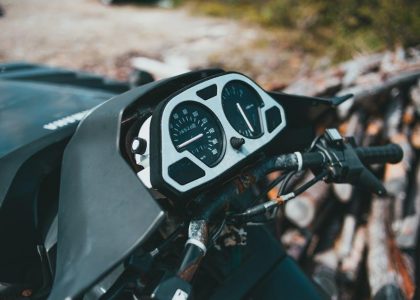
The Schwinn Airdyne console provides real-time feedback on your workout, allowing you to track progress and optimize your training. Key metrics displayed typically include RPM (Revolutions Per Minute), indicating your pedaling speed; Watts, measuring your power output; Distance traveled; Time elapsed; and Calories burned – an estimated value based on your effort and user profile.
Depending on the model (AD4, AD6, AD7, Evolution Comp), the console may offer additional features like heart rate monitoring (requiring a compatible chest strap, sold separately), interval programs, and user profiles for personalized data tracking. Familiarize yourself with the console’s buttons and functions to navigate the display and access the information most relevant to your fitness goals. Regularly monitoring these metrics helps you stay motivated and achieve optimal results.

Maintenance and Troubleshooting
Regular upkeep ensures peak performance and extends the life of your Airdyne. This section covers routine checks, belt replacements, and solutions for common operational issues.
Routine Maintenance Schedule
To maintain optimal performance and longevity of your Schwinn Airdyne, a consistent maintenance schedule is crucial. Weekly, inspect the frame for any loose bolts or signs of damage, tightening as needed. Clean the console and handlebars with a damp cloth to remove dust and sweat residue. Monthly, check the drive belt for wear and tear – look for cracks or fraying. Lubricate the pivot points with a silicone-based lubricant to ensure smooth operation.
Every three months, thoroughly inspect the pedals and crank arms, ensuring they are securely attached. Clean the fan blades carefully, removing any accumulated dust; Annually, consider a professional inspection to assess the overall condition of the machine and address any potential issues before they escalate. Regularly following this schedule will help prevent unexpected breakdowns and keep your Airdyne functioning at its best, providing years of reliable exercise.
Belt Replacement Procedure
Replacing the drive belt on your Schwinn Airdyne requires careful attention. First, disconnect the power and locate the belt housing. Remove the housing cover, typically secured with screws. Carefully remove the old belt, noting its routing around the pulley system – a photo can be helpful! Clean the pulleys thoroughly before installing the new belt.
Position the new belt, ensuring it’s correctly seated within the grooves of the pulleys. Apply even pressure to stretch the belt into place; this may require some effort. Reattach the belt housing cover, securing it tightly. Finally, reconnect the power and test the Airdyne to confirm smooth, quiet operation. A properly installed belt is essential for efficient resistance and a comfortable workout experience. Refer to your model’s specific service manual for detailed diagrams.
Troubleshooting Common Issues (Noise, Console Errors)
Addressing common issues ensures your Schwinn Airdyne remains functional. Excessive noise often stems from a loose belt or worn bearings – inspect and tighten or replace as needed. Squeaking may indicate insufficient lubrication; apply silicone-based lubricant to the pivot points. Console errors frequently relate to power supply or sensor connectivity. Check the power cord and ensure all connections are secure.
If the console displays an error code, consult your owner’s manual for specific troubleshooting steps. Restarting the Airdyne can sometimes resolve minor glitches. For persistent issues, contact Schwinn Customer Service. Regularly inspecting components and addressing problems promptly prevents further damage and maintains optimal performance. Remember to always disconnect power before performing any maintenance.

Parts and Service Information
Locate replacement parts and access Schwinn’s customer support resources for your Airdyne, including service manuals and contact details for assistance.
Schwinn Customer Service Contact Details

For immediate assistance with your Schwinn Airdyne, reaching out to their customer service is crucial. In North America, you can contact Schwinn directly at (800) 605-3369. Their dedicated team is available to address your queries and provide support regarding assembly, operation, or any troubleshooting issues you might encounter.
Alternatively, you can visit their customer service website at customerserviceschwinnfitness.com for frequently asked questions, helpful articles, and online support options. If your purchase was made outside of North America, please refer to the documentation included with your Airdyne to find the contact information for your local distributor.
Nautilus, Inc., the parent company, also provides support at (800) NAUTILUS / (800) 628-8458 or through their website www.NautilusInc.com. Keep your purchase information handy when contacting support to expedite the process.
Locating Replacement Parts
Maintaining your Schwinn Airdyne often requires replacing worn components. Fortunately, obtaining replacement parts is a straightforward process. The primary resource for Schwinn Airdyne parts is through authorized retailers and the official Schwinn Fitness website. You can typically find a comprehensive catalog of parts, including belts, pedals, consoles, and hardware, listed with detailed descriptions and diagrams.
When ordering, having your Airdyne model number (e.g., AD7, Evolution Comp) is essential to ensure compatibility. For specific parts inquiries or assistance, contacting Schwinn Customer Service at (800) 605-3369 or visiting customerserviceschwinnfitness.com can be beneficial.
Third-party fitness equipment parts suppliers may also carry Schwinn Airdyne components, but verifying authenticity and compatibility is crucial before purchasing.

Service Manual Access (AD7 ‒ 8014178.021522.C)
For advanced maintenance and detailed repair procedures, accessing the official Schwinn Airdyne AD7 service manual (8014178.021522.C) is invaluable. This document provides in-depth schematics, troubleshooting guides, and step-by-step instructions for qualified technicians or experienced users. It covers everything from component disassembly to electrical system diagnostics.
While direct download links may vary, searching online using the manual number often yields results. Schwinn Customer Service may also be able to provide access or guidance on obtaining a copy.
Important Note: This manual contains technical information and should be used with caution. Improper repairs can lead to equipment malfunction or personal injury. Always prioritize safety and consult a professional if unsure.